Table of Contents
Your heart works continuously to keep you going, and the food you eat can play an important role in supporting it. A heart-friendly diet does not mean giving up everything you enjoy or following a restrictive plan. It is about making consistent choices that include more vegetables, fruits, whole grains, healthy fats and nutritious sources of protein while limiting excess salt, added sugar and unhealthy fats.
Why Does Food Matter for Heart Health?
A healthy eating pattern can influence several factors linked to cardiovascular health, including blood pressure, cholesterol and triglyceride levels. Research-backed dietary recommendations consistently emphasise vegetables and fruits, whole grains, healthy protein sources, unsaturated fats and minimally processed foods.
The focus should be on the overall pattern rather than searching for one miracle food. Food that is good for heart health is most beneficial when it becomes part of a balanced diet that you can maintain over time.
Best Foods for Heart Health
When looking at the best foods for heart health, variety matters. Different foods provide different nutrients that can support cardiovascular health.
Vegetables and fruits
Leafy greens, broccoli, carrots, tomatoes, berries, apples, oranges, bananas and other fruits and vegetables provide fibre, vitamins, minerals and antioxidants. Leafy greens are also rich in nitrates, which can support healthy blood vessel function.
Whole grains
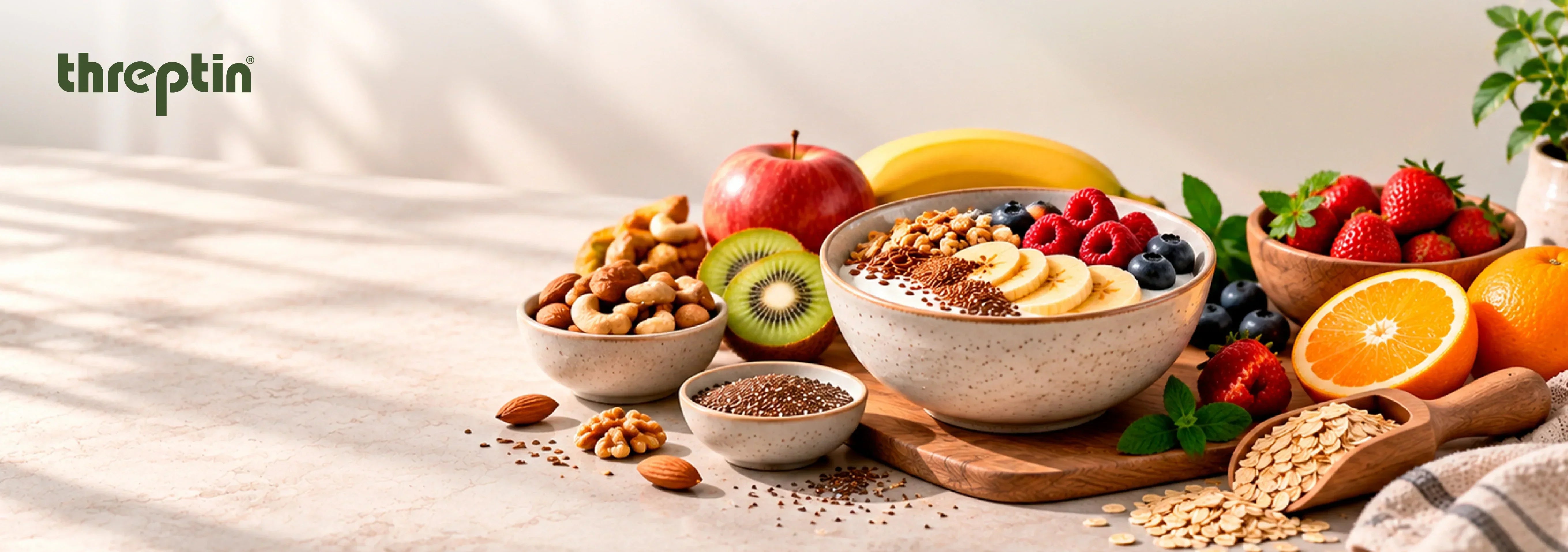
Oats, brown rice, quinoa and whole-grain breads and pastas are useful alternatives to refined grains. Their fibre content can help maintain healthy cholesterol levels. Oats also contain beta-glucan, a type of soluble fibre associated with lower LDL cholesterol.
Legumes
Dal, beans, chickpeas, lentils and other legumes provide fibre and protein. They are a particularly practical choice in Indian meals and are associated with better cholesterol and blood pressure outcomes.
Nuts and seeds
Walnuts, almonds, flaxseeds, chia seeds and other nuts and seeds provide healthy fats, fibre and protein. Including them in appropriate portions can be part of a heart-friendly eating pattern.
Fatty fish
Salmon, sardines, mackerel, tuna and trout provide omega-3 fatty acids. Regular fish consumption is associated with cardiovascular benefits, while omega-3 fats can help lower triglycerides.
Healthy oils and fats
Olive, canola, sunflower, soybean and other non-tropical plant oils can provide unsaturated fats. Avocados, olives, nuts and seeds are also sources of healthy fats. Replacing saturated fats with unsaturated fats is an important part of a heart-healthy pattern.
Low-fat dairy
Low-fat or fat-free milk, yoghurt and cheese can provide protein and other nutrients. For people with heart disease or high cholesterol, reduced-fat options may be preferable.
Choosing Heart-Healthy Sources of Protein
Protein is an important part of a balanced diet, but the source matters. In protein for heart patients, the emphasis is generally on plant-based proteins such as legumes, nuts and seeds, along with fish and seafood. Lean poultry, eggs and lower-fat dairy can also have a place in a balanced eating pattern.
Heart-healthy protein foods include dal, rajma, chana, lentils, tofu, nuts, seeds, fish and lean poultry. These heart-healthy protein sources can make meals satisfying while helping reduce reliance on fatty or processed meats.
For those exploring protein for heart health, it is also worth looking beyond protein quantity. Choosing nutrient-rich, minimally processed sources can support overall diet quality.
If you are looking for complete protein foods, options such as fish, eggs, dairy and soy-based foods can be included alongside a varied diet.
For vegetarian meals, high protein vegetarian recipes can make it easier to combine legumes, whole grains, nuts, seeds and dairy into satisfying meals.
Foods to Limit for Better Heart Health
Heart-healthy eating is not about labelling every food as good or bad. It is about making healthier choices more often and limiting foods that can add excess sodium, saturated fat, trans fat or added sugar.
Limit fatty and processed meats, high-fat dairy, foods containing trans fats, heavily processed foods, sugary drinks and foods high in added sugar. Excess salt can contribute to high blood pressure, while replacing saturated fats with unsaturated fats can support healthier cholesterol levels.
This does not mean every packaged or processed food must be avoided. Some processed foods, such as plain yoghurt, tinned vegetables and wholemeal bread, can fit into a healthy eating pattern. The key is to reduce highly processed choices and check food labels for sodium, added sugars and saturated fat.
How to Build a Heart-Healthy Plate
A practical approach is to make vegetables and salad the largest part of your meal. The Heart Foundation suggests filling about half the plate with vegetables or salad, a quarter with protein foods and a quarter with carbohydrate foods such as whole grains. Healthy fats can be included as well.
This approach can work across different cuisines and life stages. A meal could include vegetables, dal and brown rice, or grilled fish with vegetables and whole grains. The goal is balance rather than perfection.
Following a heart-healthy diet does not require expensive or unusual ingredients. Many heart-friendly foods, including dal, beans, vegetables, fruits, oats, nuts and seeds, are already familiar parts of everyday Indian meals.
Making Heart-Healthy Eating a Habit
Small, sustainable changes are easier to maintain than strict diets. Start by adding another serving of vegetables, replacing refined grains with whole grains, choosing unsalted nuts instead of salty snacks or using herbs and spices instead of excess salt.
When convenient protein options are needed between meals, you can also explore protein diskettes or Threptin lite diskettes as options to discuss as part of your overall nutritional routine.
For those comparing convenient protein choices, exploring the best protein brand in India can be another way to understand available options, but supplements should complement a balanced diet rather than replace nutritious whole foods.
Most importantly, if you have diagnosed heart disease, high cholesterol, high blood pressure or another health condition, speak with your doctor or qualified dietitian before making significant dietary changes.
Bottom Line
There is no single food that can take care of your heart on its own. The strongest approach is a consistent eating pattern built around vegetables, fruits, whole grains, legumes, nuts, seeds, healthy fats and suitable protein sources, while keeping excess salt, added sugar, saturated fat and highly processed foods in check.
Whether you are taking your first steps towards better nutrition or already following a heart-conscious routine, small changes can add up. A balanced plate today can be one more step towards supporting your heart for years to come.