Table of Contents
- How Does Protein Affect Blood Sugar?
- Why Is Protein Important in a Diabetic Diet?
- What Are the Best Protein Sources for Diabetic Patients?
- How to Build a Meal That Supports Blood Sugar Management
- Does More Protein Always Mean Better Blood Sugar Control?
- Can Protein Supplements Fit Into a Diabetes-Friendly Routine?
- Conclusion
What happens when a plate of poha, a bowl of rice, or a couple of rotis is part of a daily routine? For someone managing diabetes, the answer involves more than counting carbohydrates. What accompanies those carbohydrates strongly influences how the body responds to a meal.
Protein is widely known for muscle growth and recovery, but it also plays a critical role in controlling digestion, satiety, and post-meal glucose spikes. Understanding the exact relationship between protein and blood sugar helps individuals design a more effective diabetic diet plan grounded in nutritional science.
However, protein is not a simple fix for high blood glucose. Its benefits depend on the food source, the complete meal structure, individual health needs, and overall eating patterns.
How Does Protein Affect Blood Sugar?
Carbohydrates are the primary dietary nutrient responsible for raising blood glucose after a meal. During digestion, carbohydrates break down into glucose, which enters the bloodstream. Insulin helps move this glucose into cells for energy.
In diabetes, the body either produces insufficient insulin or cannot use it effectively, making glucose management challenging.
Protein breaks down into amino acids used for tissue maintenance and repair. Unlike carbohydrate-rich foods, protein alone does not cause an immediate spike in blood glucose. However, it can stimulate insulin release, and its effect changes when consumed alongside carbohydrates and fats.
A 2024 systematic review published in The Journal of Nutrition examined the effects of adding protein to carbohydrate-containing meals. It found that protein can reduce post-meal glucose spikes, though the effect varies by protein source and is less pronounced in individuals with type 2 diabetes. (Source). This demonstrates why protein and blood sugar must be viewed as an interactive relationship rather than a simple rule where more protein automatically means lower glucose.
Why Is Protein Important in a Diabetic Diet?
Protein supports muscle maintenance, tissue repair, and satiety, which can help manage hunger between meals. Incorporating suitable protein for diabetics is an essential strategy within any balanced diabetic diet plan.
The American Diabetes Association recommends incorporating lean proteins and plant-based protein sources. Its Diabetes Plate method suggests:
- 1/2 of the plate: Non-starchy vegetables
- 1/4 of the plate: Protein foods
- 1/4 of the plate: Carbohydrate foods
This structure makes selecting protein for diabetic patients a practical part of daily meal planning without requiring the total elimination of carbohydrates.
What Are the Best Protein Sources for Diabetic Patients?
No single protein source works best for everyone. Preferences, dietary requirements, budget, and the presence of fibre, saturated fat, and sodium all play a role in finding the best protein for diabetics.
| Protein Source | How It Fits Into Meals |
|---|---|
| Dal, rajma, and chana | Provides protein and fibre alongside carbohydrates |
| Tofu and soy foods | Offers versatile plant-based protein |
| Eggs | Supplies high-quality protein for breakfast or main meals |
| Fish and lean poultry | Delivers protein without added saturated fats from processed meats |
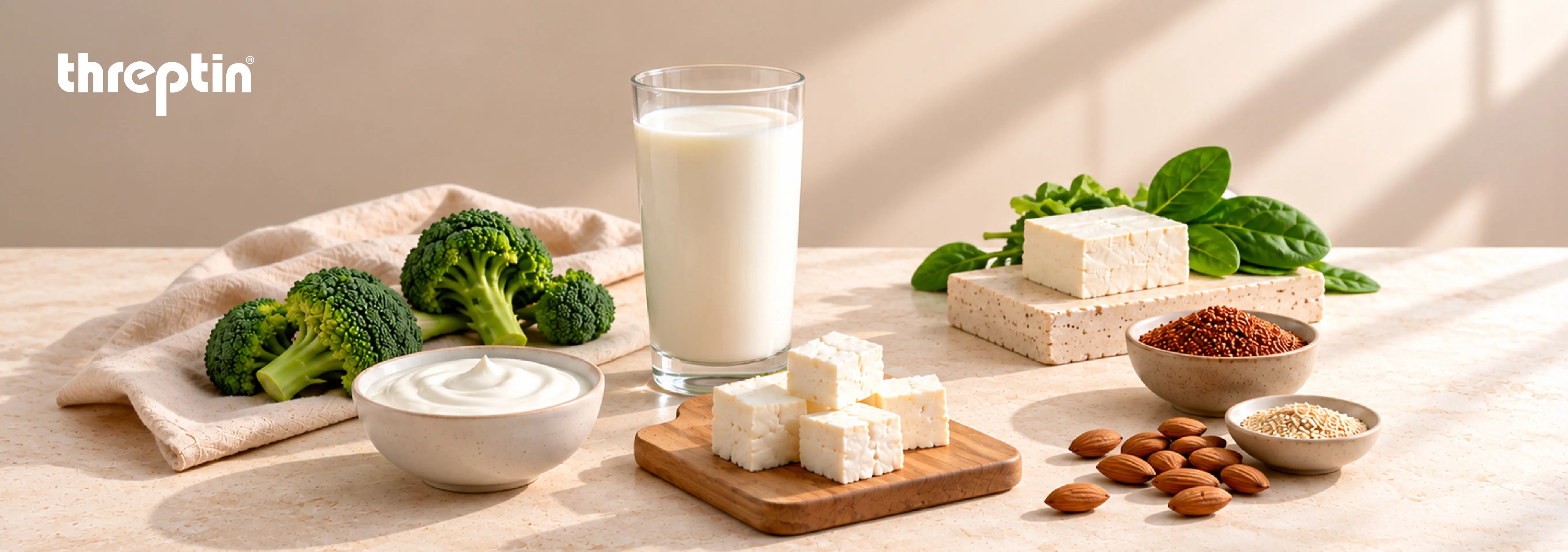
| Milk, curd, and paneer | Provides dairy protein; check for added sugars in processed options |
| Nuts and seeds | Adds protein and healthy unsaturated fats |
Many of these options qualify as low-glycemic, high-protein foods. However, context matters as legumes contain both protein and carbohydrates, but their high fibre content helps buffer the overall glucose response.
How to Build a Meal That Supports Blood Sugar Management
A balanced meal does not need to be complicated. A few adjustments help incorporate protein while keeping glucose levels stable:
- Pair carbohydrates with protein and fibre: Instead of a meal composed predominantly of rice or roti, add dal, curd, tofu, or eggs alongside vegetables to improve nutritional balance.
- Pay attention to portions: Nutritious foods must still align with individual energy and carbohydrate allowances within your overall diabetic diet plan.
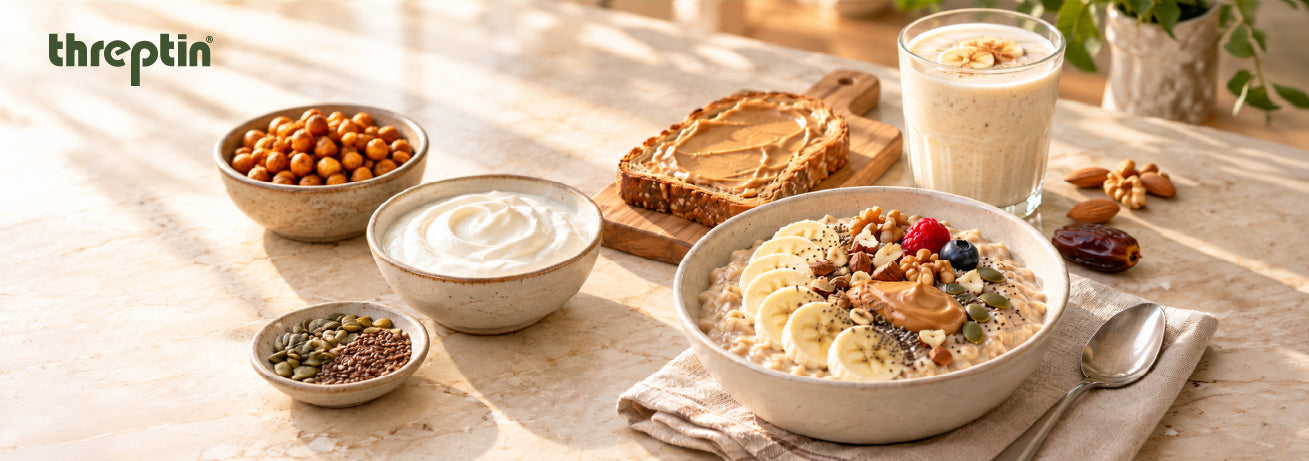
- Choose snacks thoughtfully: Rather than reaching for biscuits or sugary treats, opt for unsweetened curd, roasted chana, or a small portion of nuts.
- Monitor individual responses: Glucose responses vary between individuals. Regular monitoring helps identify personal patterns and refine food choices.
Does More Protein Always Mean Better Blood Sugar Control?
Increasing protein intake without considering overall nutritional balance is not necessarily beneficial. Protein-rich foods vary in fat, calorie, and sodium content. Furthermore, excessive protein can contribute to delayed glucose rises in mixed meals, requiring customised guidance for those using insulin.
Additionally, individuals with diabetes-related kidney disease require specific guidance regarding protein limits. Selecting protein for diabetics should always be discussed with a doctor or registered dietitian rather than following generic high-protein diets.
Can Protein Supplements Fit Into a Diabetes-Friendly Routine?
While whole foods are the foundation of a healthy diet, convenient options can help fill gaps during busy schedules. When choosing options from the best protein brand in India, understanding protein types and additional functional ingredients is key.
Some individuals consider consuming casein protein before bed because casein is a slow-digesting milk protein that provides a steady release of amino acids overnight.
Furthermore, exploring the link between protein and gut health is valuable, particularly when fibre intake and digestive comfort are part of your broader health goals.
For on-the-go nutrition, Threptin Lite, low-sugar protein diskettes made with casein, added fibre, and vitamins, are formulated as a convenient between-meal option.
Conclusion
Managing blood sugar involves more than eliminating sugar or adding extra protein. Carbohydrate quality, fibre, physical activity, medication, and individual metabolic health all interact.
Understanding how protein and blood sugar interact allows individuals to construct balanced meals, review options like Threptin Lite, and maintain satiety. With suitable protein for diabetic patients, sensible portions, and personalised medical guidance, nutrition becomes a practical tool in long-term diabetes management.