Table of Contents
Why is protein important for our body? There have been several debates and discussions that have happened centering on ‘why do we need protein?’ These debates have brought to light the requirement of protein and their supplements for keeping our body healthy and functioning.
The discipline of chemistry has identified protein as a polymer of Amino Acids which makes the basic building block of the human body. It helps in keeping the internal mechanism functioning and helps to provide ample energy. These amino acids have been classified into various groups according to their source of production and requirement. These are:
- Essential – These cannot be prepared by the body itself and are needed to be supplied through the food
- Non-essential –These amino acids can be produced by the human body and do not need to be sourced externally.
- Conditional –These amino acids are required during illness or stress to help the body recover and fight disease.
For normal functioning, the human body requires 20 amino acids. However, the body can produce only 11 of them, while the remaining 9 must be obtained from external sources.
In this article, we have explained the importance of protein for the body and how it can be replenished when required.
Why is protein important for your body?
There are several reasons that explain the importance of protein. Since protein forms the foundation of the body, it cannot be neglected. Protein is often thought to be necessary only for people who work out or build muscle, but in reality, the body requires a daily intake of protein regardless of whether one follows an active or sedentary lifestyle. Consuming protein regularly can deliver significant health benefits..
Some of the benefits of protein include:
- For a good build –Protein is essential for achieving a healthy physique. It supports muscle growth and maintenance while also helping you feel satiated, reducing the urge to consume carbonated or unhealthy products.
- Good Metabolism – When protein is broken down in the body, it helps increase muscle mass, which in turn supports a healthy metabolic rate.
- For good vision – Protein also plays an important role in regulating and enhancing vision. Individuals who consume adequate protein are more likely to have better eyesight, stronger bones, healthier hair growth, controlled blood pressure, improved immunity, and several other benefits compared to those with protein deficiency.
The benefits listed above highlight the importance of protein in the body. Protein deficiency can lead to conditions such as malnutrition and marasmus, which can be life-threatening in severe cases. Very low protein intake may also result in thin and brittle hair, skin disorders, and hormonal imbalances.
How Much Protein Is Needed for Proper Body Functioning?
Major global health organisations recommend that an adult should consume approximately 50 grams of protein per day as part of a 2,000-calorie diet. This amount may vary depending on overall calorie intake. An average adult male aged 19 years and above requires around 56 grams of protein per day, while an adult female aged 19 years and above requires approximately 46 grams per day. According to the Dietary Guidelines for Americans, about 10–35% of daily calorie intake should come from protein for adults, while for children it ranges from 10–30% (Source).
Major sources of Protein
Protein can be obtained from both vegetarian and non-vegetarian food sources. Additionally, the benefits of protein can also be supported by high-quality protein supplements available in India.
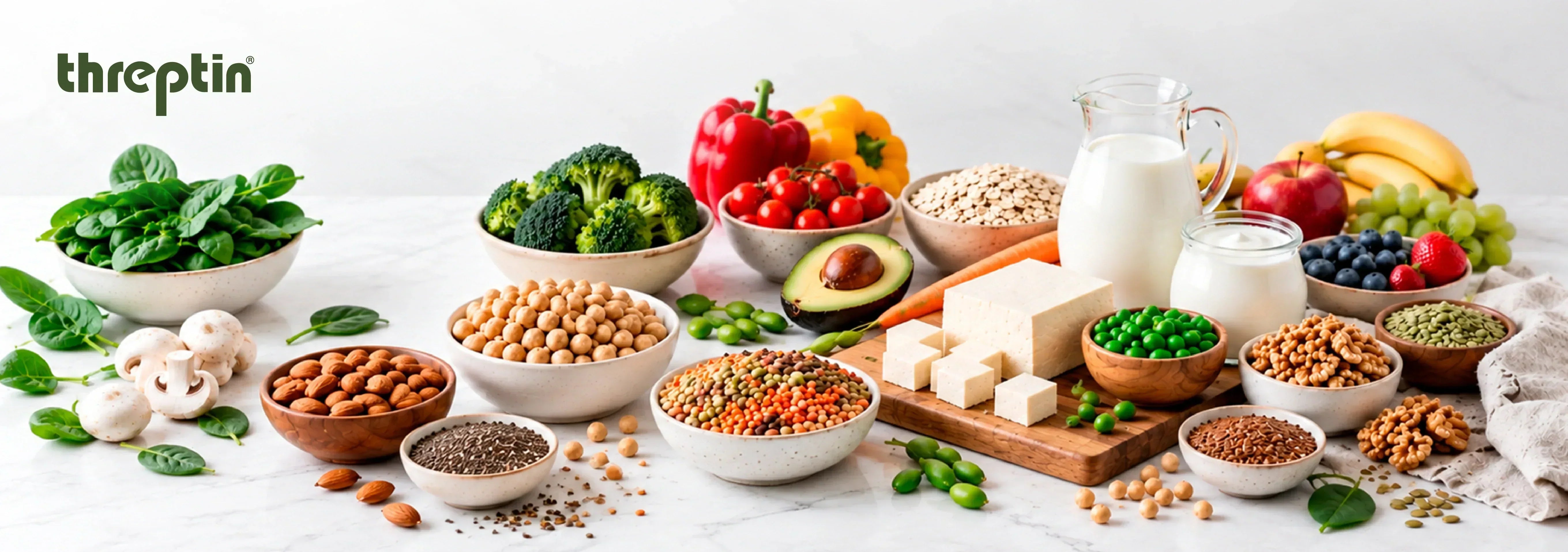
- Non-vegetarian sources –include eggs, seafood, and meat. Chicken is one of the most popular and easy-to-prepare low-calorie protein sources.
- Vegetarian sources –include soy products, legumes, and pulses. Legumes such as chana dal, kidney beans, mung beans, and sprouts are excellent options for those who do not consume non-vegetarian food.
Building Immunity and Antibodies Through Protein
Natural food sources of protein may sometimes fall short in providing the required daily intake. Along with other essential nutrients, protein plays a significant role in strengthening immunity. The importance of protein is evident in the way the immune system relies on protein production and cell replication. During times such as a pandemic, immunity and antibody formation become especially crucial, and protein intake plays a key role in supporting these functions. Protein helps the body fight infections, and in cases of deficiency, immune function may weaken.
Conclusion
To support protein synthesis, it is important to consume protein from sources that do not disrupt bodily functions or lead to dependency.
Threptin Lite Diskettes are primarily made from casein protein, which constitutes around 80% of the protein found in milk. They act as a direct source of essential amino acids.
Threptin Lite is a high-quality protein supplement enriched with fibre, antioxidants, and B vitamins that help lower homocysteine levels, especially for diabetic individuals. It also supports muscle building, heart health, and digestion