Table of Contents
Protein is important within the human system since it is a key component of cells. Proteins may also be used as a source of energy throughout our daily lives. Protein bioavailability refers to how much protein is usable in our bodies. A protein is considered highly bioavailable when it is simple to digest, absorb, and transform into other necessary proteins.
Including enough protein in our diet supports overall health. It helps the body build and develop by improving immunity, preserving cell structure, acting as a mediator in numerous chemical processes, regulating hormones, maintaining system structure, and promoting general growth and maturation. Protein may be obtained from both plants and animals, and which option is superior remains highly debated.
Twenty vital amino acids are required for protein formation. Nine of these cannot be produced by our system on its own. These amino acids are referred to as essential amino acids.
Animal proteins often include all nine essential amino acids and are therefore referred to as complete protein providers.
Several plant proteins also represent complete protein sources, although many do not. However, combining incomplete plant proteins can meet the body’s needs. This serves as a practical approach for everyone looking to include plant based protein in their diet.
What is Plant-Based Protein?
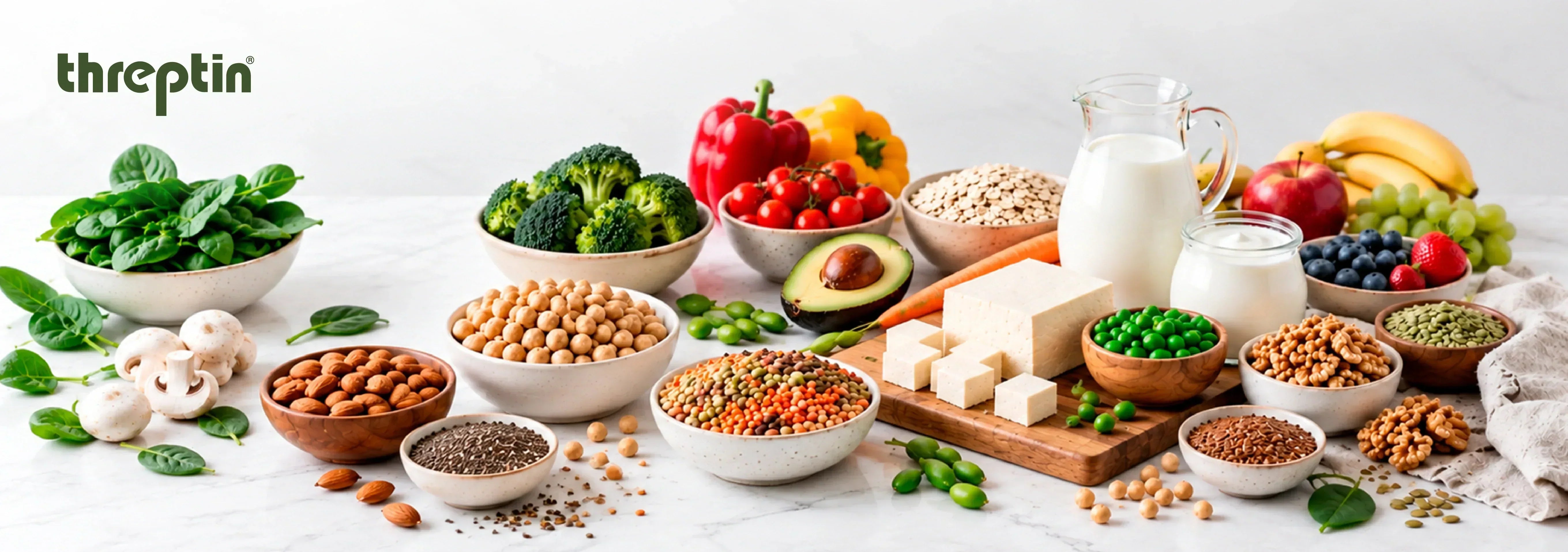
Plant protein refers to protein present in plant products. Protein is found in all whole plant diets; however, certain plants contain larger quantities than others. High-protein plant foods include beans (such as chickpeas, black beans, lentils, soy, and soy derivatives), nuts, and seeds. Healthy grains also include a considerable amount of protein. Fruits and vegetables typically contain the lowest quantities of protein, although some vegetables have a higher protein content.
With the emergence of faux meat alternatives (for example, beef-free burgers, mimic chicken, and similar products), the phrase “plant-based proteins” has begun to be used interchangeably with such food items. Since the protein in these products is derived from plants, the term “plant protein” is appropriate. It is important to note that whole plant foods also contain protein, and the protein used in faux meat items is derived from whole plants.
What is Animal Based Protein?
Consuming protein from animal sources is referred to as eating animal protein. When most individuals think of protein, they typically think of meat and dairy products. For instance, meat, fish, seafood, dairy products (milk, butter, yoghurt, and similar items), and eggs are animal-based foods rich in protein.
The association of protein with animal products is deeply ingrained in our culture. Many individuals believe that protein can only be obtained from animal products and that it is essential for survival.
One of the most commonly asked questions regarding plant-based, meat-free, and vegetarian diets is, “Where do people get their protein?” While answering this question can be time-consuming for those unfamiliar with plant-based proteins, it is understandable to have concerns.
If you exclude the best protein supplements in India from your eating plan, it may be difficult to obtain sufficient quantities of this critical nutrient without understanding where plant-based proteins come from.
Advantages of Plant-Based Proteins
Plant based protein sources have the added benefit of containing fibre. Many individuals struggle to consume enough fibre, despite its importance for optimal health. Replacing animal proteins (which contain no fibre) with plant-based protein sources is a simple way to increase fibre intake.
Other advantages of consuming plant-based proteins include:
- A reduced risk of heart disease
- A lower risk of certain types of cancer
- Effectiveness in supporting weight loss
Plant-based proteins also contain many of the same minerals and essential elements as animal proteins, such as zinc and iron, although absorption concerns should be considered.
Many plant-based foods also contain omega-3 fatty acids (such as walnuts, chia seeds, hemp seeds, ground flax seeds, and soybeans) as well as calcium (for example, tofu). These foods are also among the richest sources of plant protein.
Benefits of Animal Protein Across All Ages
Proteins are the fundamental building blocks of life. One of the most significant advantages of animal protein is that it supplies the body with most of the essential amino acids. The human body cannot naturally produce these essential proteins. Animal proteins are valuable because plant proteins, while healthy, may not always provide all essential amino acids in sufficient quantities.
Animal protein products such as meat, eggs, and dairy are high-quality protein sources with amino acid profiles similar to those found in the human body.
A well-balanced animal protein diet in children helps prepare them for a healthier future. It can reduce the risk of weak bones and amino acid deficiencies. Animal protein diets provide a strong foundation for growing bodies.
Another primary distinction between plant protein and animal protein is the difference in amino acid concentration.
Vegan Protein Powder as a Convenient Protein Source
For people following a vegan or plant-focused diet, vegan protein powder can provide a convenient way to increase daily protein intake. These products are commonly made from plant sources such as peas, soy, rice, or other plant ingredients and can be added to smoothies and other foods.
When choosing vegan protein powder, it is important to consider the protein content, ingredient profile, serving size, and individual dietary requirements. A product such as Threptin protein powder can also be considered as part of a broader approach to meeting daily protein needs.
Conclusion
Many individuals consider various factors when choosing between animal and plant proteins. Rather than focusing on a single type of protein, it may be more beneficial to consume a diverse range of foods. This approach helps ensure an adequate intake of essential amino acids and other important nutrients. For individuals looking for convenient ways to include protein in their diet, Threptin, the best protein supplement in India may provide an additional source of nutrition. Threptin provides products like Threptin Lit, protein diskettes, protein powder, and Threptin Junior diskettes. Individuals with specific concerns regarding protein requirements and sources should consult a nutritionist.