Table of Contents
Proteins are present in every cell of our body, forming muscles, skin, hair, fingernails, and many body tissues. In fact, they provide structure to cells and help them function properly. Protein also helps in cell repair. Thus, protein during pregnancy plays a very important role for women.
If the mother maintains the recommended protein level in the body, enough protein is transported to the baby. This enables the baby’s growing cells to function well from the beginning. Additionally, proper protein levels ensure a healthy birth weight and reduce the chances of diabetes or other complications. Fortunately, there are many ways to gain a substantial amount of protein, such as protein diskettes, eggs, cheese, and other dairy products. Read on to learn the exact recommended levels of protein.
Why do doctors say to meet protein requirements, especially during pregnancy?
Many people wonder why protein is so important during pregnancy but often do not get the accurate answer they are looking for. The amino acids that form protein are the building blocks of both the mother’s and the baby’s cells. Thus, protein helps develop a baby’s skin, hair, muscles, fingernails, and other body parts. In addition, it plays an important role in maintaining normal blood pressure and preventing pregnancy-related swelling.
Therefore, it is important to maintain good levels of protein-rich foods throughout pregnancy, especially during the second and third trimesters. This is when the baby grows at the fastest rate, making it evident that higher nutrient intake is required.
What is the ideal requirement for protein during pregnancy?
If you are unsure how much protein pregnant women need, read this section carefully. The amount of protein required depends on several factors, such as physical activity levels, body weight, and overall food intake. However, in general, 71 grams per day is a good target. For a more accurate estimate, divide your pre-pregnancy weight by two. For example, women who weigh 68 kg may require approximately 75 grams of protein daily. Therefore, consuming a well-balanced diet with high-protein foods during pregnancy helps support the birth of a healthy baby. Below are some recommended food sources.
Best sources of protein that are also safe for the baby
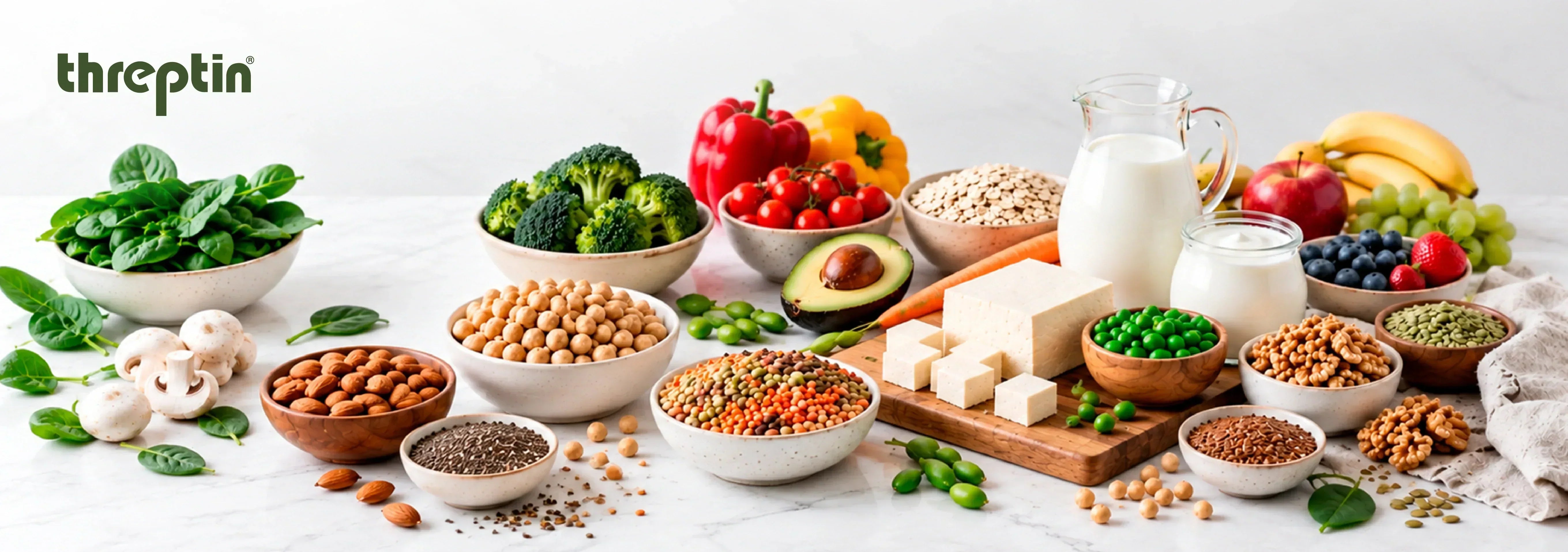
Poultry, lean meat, protein diskettes, shellfish, milk, tofu, eggs, and cheese are excellent protein sources. Remember that animal-based protein sources contain all nine essential amino acids, while most plant-based foods do not. Therefore, when relying on plant-based proteins, it is important to consume a variety of foods to obtain all essential amino acids. Below are different protein-rich foods, their benefits, and protein content to help ensure adequate intake.
Protein Diskettes
Protein diskettes are one of the best ways to gain protein, as they are readily available and high in protein content. An added advantage is that even patients suffering from illness or poor dietary intake can consume these nutritious protein diskettes, with consultation from a doctor. They are easily digested and well tolerated. Consuming 3–5 units of protein diskettes two to three times a day can help maintain healthy nutritional levels.
Eggs
For protein intake during pregnancy, eggs provide a good amount of protein to the body. They can be consumed boiled, cooked, or prepared in various ways. In addition to protein, eggs provide important nutrients such as vitamin D, which supports bone health during pregnancy. The nutrient choline also contributes to healthy fetal brain development. Two whole eggs provide approximately 12 grams of protein.
Legumes
Legumes include kidney beans, white beans, black beans, navy beans, cranberry beans, pinto beans, and lentils. These foods provide between 15 and 30 grams of protein per cooked cup. Foods made from soybeans also offer sufficient protein. For example, one cup of fully cooked lentils provides approximately 18 grams of protein, along with about 16 grams of fiber.
Chicken Breast
Chicken breast is another high-protein food suitable for pregnancy, as it is low in saturated fat and easily available. Even a small portion provides a significant amount of protein and essential nutrients. Approximately 85 grams of chicken breast can fulfill nearly half of the daily protein requirement. One chicken breast provides about 54 grams of protein.
Nuts
Nuts such as walnuts, cashews, peanuts, pistachios, and almonds are also good sources of protein. They can be consumed at any time of the day. For instance, adding one cup of toasted almonds to meals can provide approximately 28 grams of protein per day.
Conclusion
Protein is extremely important during pregnancy, and the information above clearly highlights its significance. Creating a diet that includes a combination of these protein-rich foods helps maintain better health for both the mother and the baby.